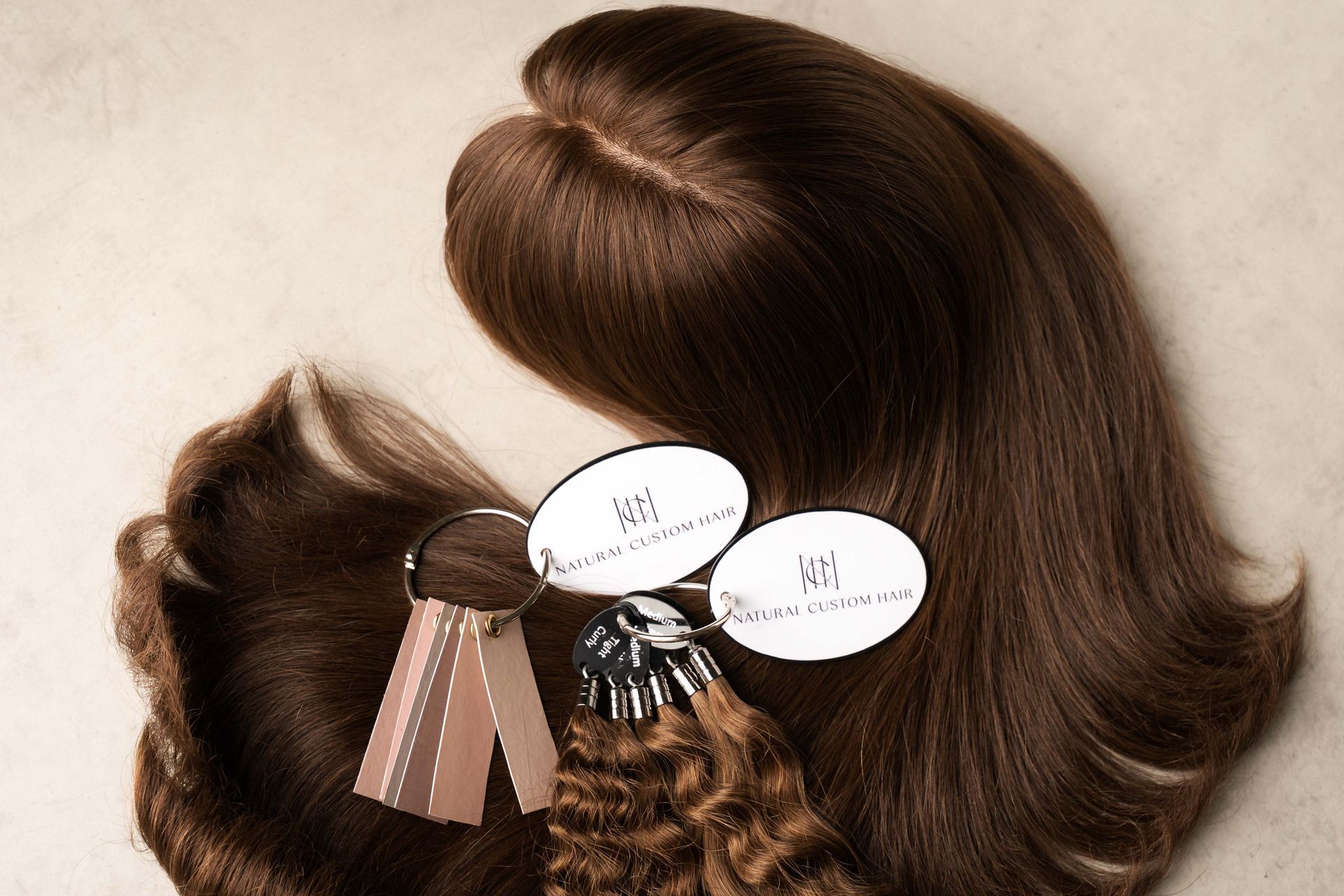
Adding custom hair replacement services to your salon represents a significant investment in both time and resources. Understanding what comprehensive training entails helps salon professionals make informed decisions about whether this specialised service aligns with their business goals.
Here's what professional hair replacement training should cover and why each component matters.
Why Specialised Training Is Essential
Custom hair systems aren't simply another hair extension method. They require distinct skills across consultation, specification, application, and ongoing maintenance. Without proper training, even experienced stylists risk poor outcomes that damage client trust and waste expensive custom products.
The stakes are high:
- Systems cost $2,000 to $3,500 wholesale
- Incorrect specifications result in unusable products
- Poor application creates unnatural appearance
- Improper maintenance shortens system lifespan
- Client hair loss concerns involve deep emotional sensitivity
Professional training ensures you deliver results that justify premium pricing and build lasting client relationships.
The Foundation: Understanding Hair Loss
Before you can solve a problem, you must understand it.
Comprehensive training begins with hair loss education:
Types of Hair Loss
Androgenetic Alopecia (Pattern Hair Loss)
- Most common form affecting both men and women
- Genetic and hormonal factors
- Progressive but predictable patterns
- Best candidates for custom systems
Alopecia Areata
- Autoimmune condition causing patchy loss
- Can be temporary or permanent
- Requires medical consultation alongside system consideration
Telogen Effluvium
- Temporary shedding from stress, medication, or illness
- Often resolves without intervention
- Important to distinguish from permanent loss
Medical Hair Loss
- Chemotherapy-related
- Medication side effects
- Post-surgical or trauma-related
- Requires sensitivity and specialized approach
Traction Alopecia
- Caused by tight hairstyles or extensions
- May reverse if caught early
- Systems can provide coverage during recovery
Why this matters:
Understanding cause and pattern helps you determine if a client is a good candidate, set realistic expectations, and specify appropriate system designs.
Client Consultation Mastery
The consultation determines everything that follows. Training should cover:
Creating Safe Space
Hair loss discussions require privacy, empathy, and professionalism. Learn how to:
- Conduct consultations in private, comfortable settings
- Use language that acknowledges emotional impact
- Listen more than you speak
- Build trust before discussing solutions
Assessment Skills
Visual evaluation:
- Identifying hair loss patterns
- Assessing scalp health
- Evaluating existing hair quality and quantity
- Determining coverage areas needed
Lifestyle considerations:
- Activity level (sports, swimming, exercise)
- Profession and appearance requirements
- Daily routine and time for maintenance
- Budget and long-term commitment capacity
Setting Realistic Expectations
Training must teach you how to:
- Explain the process and timeline honestly
- Discuss maintenance requirements upfront
- Address common concerns and questions
- Manage both hopes and fears
Critical conversation: "This system requires maintenance every 3 to 4 weeks. Missing appointments affects appearance and system longevity. Are you prepared for this commitment?"
Clients who understand requirements from the start become satisfied, long-term clients. Those with unrealistic expectations become problems.
Technical Specifications Training
This is where precision matters most
Measurement Techniques
Head mapping:
- Accurate circumference measurements
- Contour mapping for perfect fit
- Hairline positioning
- Crown and part placement
- Problem area identification
Documentation standards:
- Using measurement templates correctly
- Recording data consistently
- Double-checking critical dimensions
- Creating reference for future orders
Why precision matters:
A system that's 5mm too small is unwearable. One that's 10mm too large looks unnatural. Measurement errors waste thousands of dollars and months of waiting.
Base Selection
Understanding base types and matching to client needs:
Second Skin Membrane:
- Maximum natural appearance
- Ideal for close-interaction professions
- Requires careful maintenance
- Best for appearance-priority clients
Contour Edge:
- Enhanced durability and breathability
- Better for active lifestyles
- Longer lifespan
- Easier maintenance
Decision factors:
- Client lifestyle and activities
- Climate considerations
- Maintenance capability
- Budget and replacement frequency
Hair Selection
Virgin European vs Pre-Coloured Remy:
- Quality differences and characteristics
- Colour matching considerations
- Texture options and natural appearance
- Cost implications
Specifications:
- Density levels and gradient mapping
- Length considerations
- Texture selection (straight, wavy, curly)
- Growth direction and parting
Design Elements
Hairline design:
- Natural vs slightly receded
- Age-appropriate positioning
- Avoiding "too perfect" appearance
- Custom considerations for unique cases
Part and crown:
- Natural growth patterns
- Whorl placement and direction
- Part definition and location
- Creating realistic scalp appearance
Photography and Documentation
Your photos determine what gets created.
Lighting Requirements:
- Natural light vs artificial
- Time of day considerations
- Avoiding shadows and glare
- Consistent lighting across all photos
Required Angles
- Front view (straight on, level)
- Both side profiles
- Top view (overhead)
- Back view
- Detail shots (hairline, existing hair, problem areas)
Colour Reference
- Including colour charts in photos
- Scalp tone capture
- Existing hair matching
- Reference samples
Why this matters: Poor photos lead to colour mismatches, incorrect density, and disappointed clients. Quality documentation is non-negotiable.
Application Techniques
This is where systems become transformations.
Scalp Preparation
Surface preparation:
- Cleaning and oil removal
- PH balancing
- Ensuring optimal adhesion
- Protecting existing hair
Problem-solving:
- Working with sensitive scalps
- Addressing existing skin conditions
- Managing allergies or reactions
- When to delay application
Adhesive Selection and Application
Types of adhesives:
- Tape adhesives (types and strengths)
- Liquid adhesives (formulations)
- Gel adhesives (specialized uses)
- Matching adhesive to lifestyle and skin type
Application technique:
- Proper coverage and placement
- Avoiding bubbles or gaps
- Achieving secure but comfortable attachment
- Managing perimeter and problem areas
Curing and setting:
- Proper drying times
- Pressure application methods
- Testing bond strength
- Ensuring comfort
Cutting and Blending
Integration techniques:
- Cutting system hair to blend with natural hair
- Creating seamless transitions
- Thinning and texturizing for natural appearance
- Avoiding harsh lines
Styling:
- Initial styling for natural look
- Teaching clients daily styling
- Product recommendations
- Avoiding damage to system
Quality Check
Before client leaves:
- 360-degree appearance check
- Comfort verification
- Bond strength testing
- Client education on what to expect
Maintenance Protocols
Recurring revenue depends on proper maintenance.
Removal Techniques
Safe removal:
- Using appropriate solvents
- Protecting client scalp and hair
- Preserving system condition
- Timing and patience
What not to do:
- Forced removal
- Harsh chemicals
- Rushed procedures
- Client self-removal
System Care
Cleaning:
- Product removal
- Deep cleaning methods
- Sanitization
- Inspection for damage
Repairs:
- Minor fixes you can perform
- When to send for professional repair
- Temporary solutions
- Managing client expectations
Scalp Care
Between applications:
- Scalp cleansing and health
- Treating any irritation
- Promoting healthy environment
- Preparing for reapplication
Reapplication
Efficient workflow:
- Streamlining process
- Maintaining quality standards
- Time management (45-120 minutes)
- Client comfort
Client Education and Aftercare
Your job doesn't end at application.
Training should teach you how to educate clients on:
Daily Care
- Washing frequency and technique
- Product selection (what to use and avoid)
- Styling limitations and recommendations
- Protecting the bond
Activities
- Swimming (pool chemicals, salt water)
- Exercise and sweat management
- Sleep considerations
- Heat styling guidelines
Warning Signs
- When to contact you immediately
- Normal vs concerning changes
- How to handle emergencies
- Maintaining between appointments
Appointment Schedule
- Importance of consistency
- Consequences of delaying maintenance
- Booking ahead
- Managing schedule changes
Business Development Training
Technical skills alone don't build a practice.
Comprehensive training includes:
Pricing Strategy
- Calculating appropriate fees
- Presenting investment to clients
- Handling price objections
- Structuring packages
Marketing
- Positioning the service
- Creating before/after content ethically
- Client acquisition strategies
- Referral generation
Consultation Conversion
- Moving from inquiry to booking
- Addressing concerns effectively
- Closing without pressure
- Follow-up protocols
Practice Management
- Scheduling efficiency
- Inventory and supply management
- Record keeping
- Long-term client relationship building
Ongoing Education and Support
Training doesn't end after certification.
Quality programs provide:
Continued Learning
- Advanced technique modules
- New product training
- Industry updates
- Skill refinement opportunities
Technical Support
- Access to experienced professionals
- Troubleshooting difficult cases
- Specification guidance
- Problem-solving assistance
Community
- Connection with other providers
- Peer learning opportunities
- Sharing best practices
- Support network
Red Flags: Inadequate Training Programs
Not all training is created equal. Beware of programs that:
- Focus only on product, not comprehensive skills
- Rush through critical components
- Lack hands-on practice opportunities
- Don't provide ongoing support
- Over-promise results ("make $100k in first year!")
- Pressure immediate equipment purchases
- Don't address business development
- Lack experienced instructors
- Have no quality control standards
Quality training is comprehensive, realistic, and supportive.
Investment vs Value
Training costs money and time. Here's the return:
Time Investment
- 2 days minimum for foundations
- Ongoing practice and refinement
- Advanced modules as you grow
- Continuous learning commitment
Financial Investment
- Training fees ($5,000-$7,000 typically)
- Starter kit and tools (often included)
- Initial marketing materials
- Time away from salon
Return on Investment
- First client often covers training cost
- 5-10 clients generate $30,000-$100,000 annually
- Recurring revenue for years
- Competitive differentiation
- Professional growth and expertise
Making the Decision
Is professional hair replacement training right for you?
Consider training if you:
- Want to serve clients with hair loss concerns
- Have private consultation space available
- Value long-term client relationships
- Are willing to invest time mastering new skills
- See the business opportunity
- Want to differentiate your salon
Training may not be right if you:
- Can't commit to comprehensive learning
- Don't have private space for sensitive consultations
- Aren't comfortable with premium pricing
- View this as quick money rather than professional practice
- Can't provide ongoing maintenance availability
What NCH Training Provides
Our certification program is designed for real-world success:
Foundations Certification (2 Days)
- Complete hair loss education
- Consultation mastery
- Specification and documentation
- Application techniques
- Maintenance protocols
- Business development basics
- Starter kit with all essential tools
Ongoing Support
- Technical support line
- Troubleshooting guidance
- Advanced training modules
- Partner community access
- Marketing resource library
- Regular updates and continuing education
Success Framework
- Proven systems and processes
- Business templates and tools
- Client documentation
- Marketing materials
- Pricing guidance
- Practice-building support
The Bottom Line
Professional hair replacement training is an investment in your salon's future. It requires commitment, practice, and ongoing learning but for stylists willing to master this specialised skill, it opens doors to serving clients in profound ways while building a sustainable, high-value practice.
The question isn't whether training is worth it. The question is whether you're ready to commit to becoming an expert in this life-changing service.
Ready to explore NCH certification? Contact us to learn about upcoming training dates, program details, and how to determine if this opportunity is right for your salon.